
Running effective Google Ads campaigns for dining services starts with understanding how pay-per-click (PPC) advertising connects hungry customers with your tables. Each click represents intent—someone actively looking for a place to eat or order from. By targeting the right keywords and optimizing ad performance, we can attract genuine customers ready to book a table, place an order, or explore our menu.

With Google Ads for restaurants, we have precise control over who sees our promotions, where they appear, and how much we spend. Ads can show at the top of search results or on partner sites, giving our dining service visibility exactly when potential customers look for their next meal. Using well-structured campaigns, ad extensions, and location targeting helps us turn that visibility into action.
Throughout this article, we explore strategies that answer common questions about restaurant PPC, reveal proven optimization tactics, and explain how to measure return on ad spend. Each section helps us build smarter advertising campaigns that bring meaningful results, not just clicks.
Frequently Asked Questions
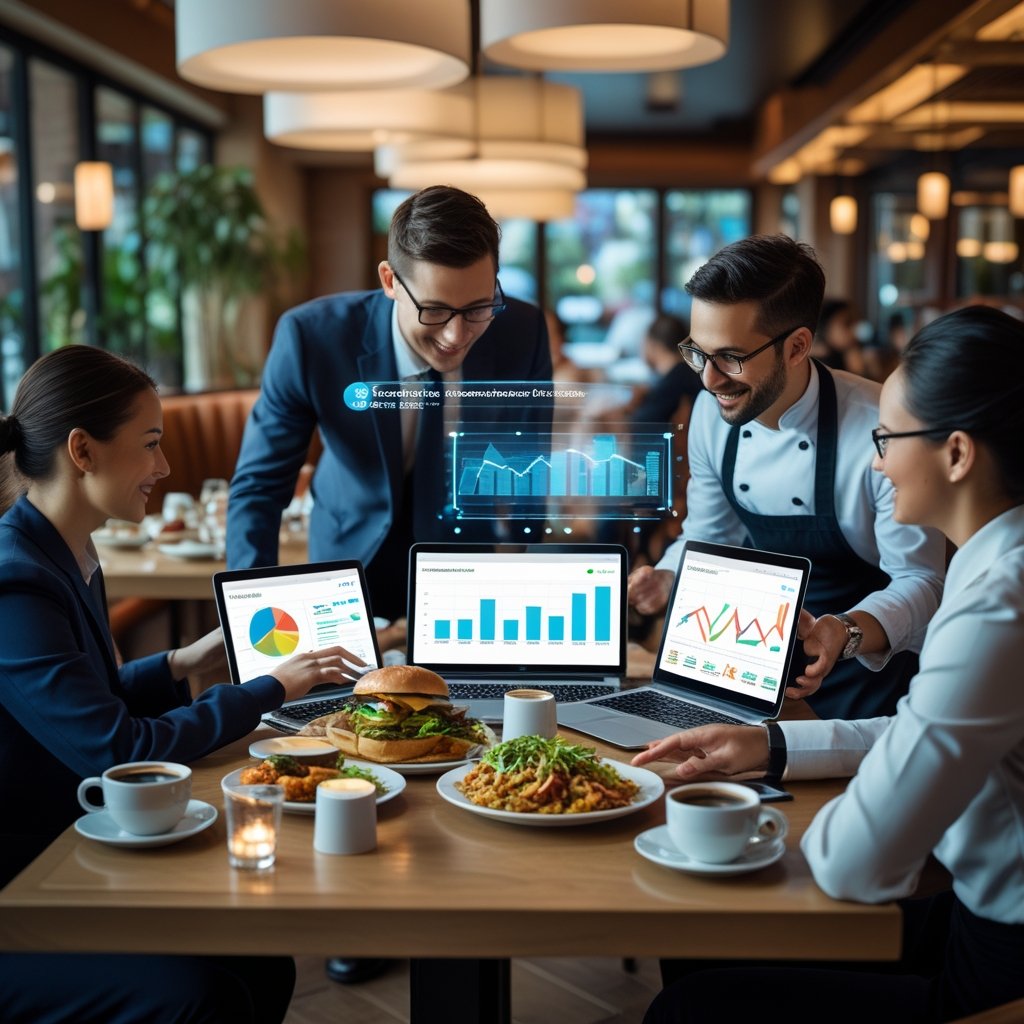
Running effective Google Ads for dining services requires consistent optimization, informed keyword selection, practical bidding strategies, and clear measurement of performance. We focus on structure, audience relevance, ad clarity, and data-driven decisions to achieve sustainable results.
What are the key elements of a successful Google Ads campaign for restaurants?
A successful campaign starts with well-organized ad groups based on themes like cuisine type, location, or service style. Clear objectives—such as increasing reservations, online orders, or foot traffic—guide how we set bids and choose targeting.
Strong ad copy with direct calls to action encourages engagement. Supporting features like sitelinks, location extensions, and call buttons improve visibility and make it easier for potential customers to take action.
How can you utilize Google Keyword Planner to improve PPC advertising for dining services?
We use Google Keyword Planner to identify high-intent search terms customers use when looking for places to eat. The tool helps estimate search volume, competition, and cost-per-click, allowing us to select keywords that balance reach and cost efficiency.
By testing variations of specific long-tail keywords—such as “best sushi lunch near downtown”—we can target motivated diners and reduce wasteful ad spend. Continual updates based on performance data keep the keyword list relevant and profitable.
What are some common mistakes to avoid in PPC campaigns for the restaurant industry?
Many campaigns fail from poor keyword selection, such as using overly broad terms that attract unqualified clicks. Ignoring negative keywords like “free” or “hiring” causes unnecessary spending without conversions.
Other frequent issues include neglecting mobile optimization, running ads outside service hours, and not tracking conversions. Avoiding these missteps improves cost control and campaign performance.
Can you provide examples of high-performing ad copy for restaurant Google Ads?
Effective ad copy focuses on clarity, value, and immediacy. Phrases like “Reserve Your Table Today”, “Order Fresh Pizza for Pickup Now”, or “Lunch Specials Starting at $10” communicate both action and incentive.
We also align messaging with the searcher’s intent. If someone searches “romantic dinner,” the ad should emphasize ambiance and dining experience rather than discounts or speed of service.
How do you measure the success of a Google Ads campaign for a dining establishment?
We track success through metrics such as click-through rate (CTR), conversion rate, cost per acquisition (CPA), and return on ad spend (ROAS). These indicators show how well ads attract and convert diners.
Integrating Google Analytics or similar tools helps us monitor actual actions like online reservations, phone inquiries, or completed orders, revealing how ads contribute to real business outcomes.
How important is demographic targeting in PPC campaigns for restaurant services?
Demographic targeting plays an essential role in ensuring ads reach users most likely to dine with us. By narrowing campaigns by age, income, location, and interests, we align messaging with customers’ dining preferences and spending habits.
We also combine demographic filters with time-based and device-based adjustments. This ensures ads appear to the right audience at the right time, improving both engagement and return on investment.